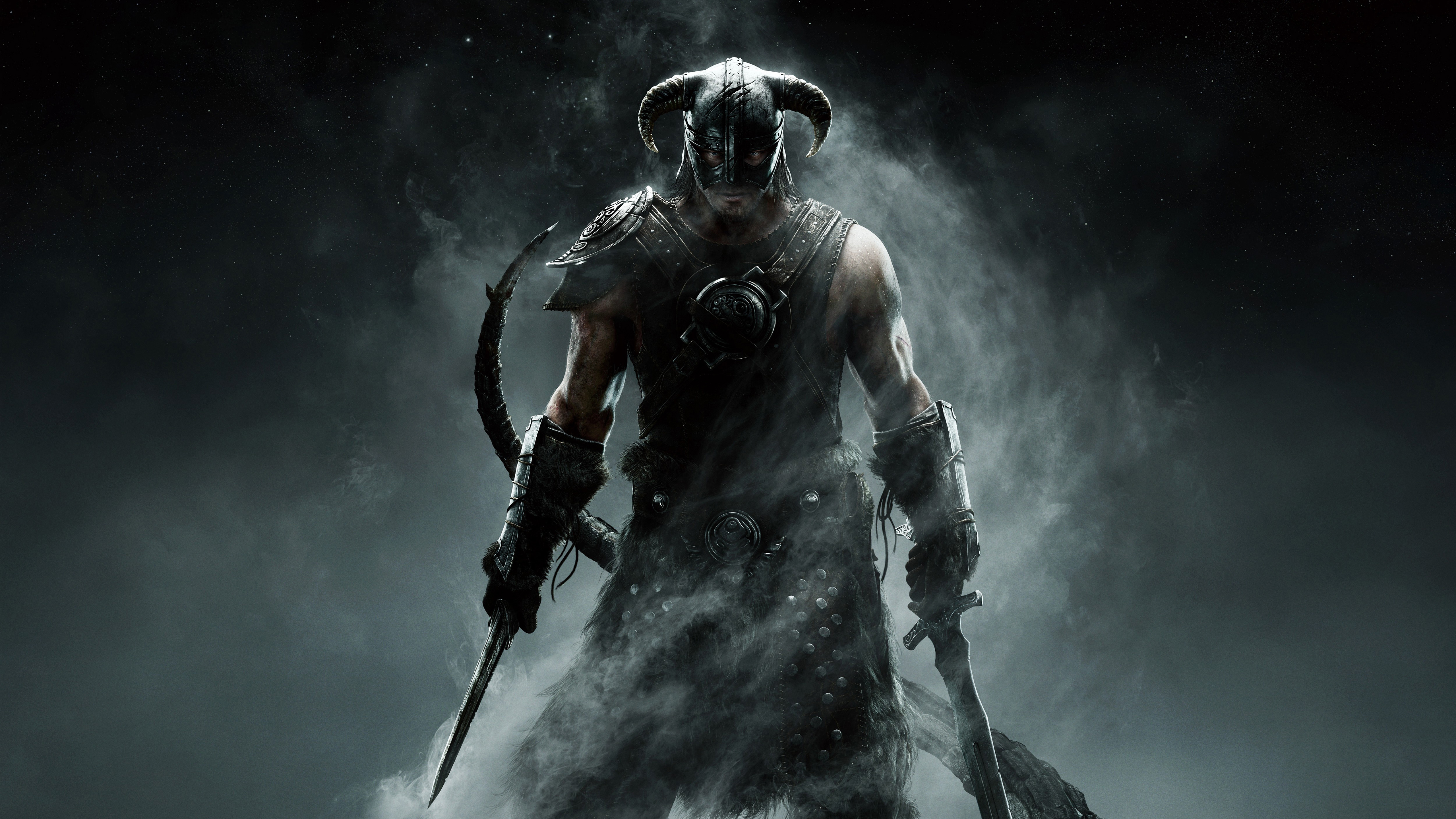
Stumbling out of the fiery remains of the introductory town of Helgen into the snowy province of Skyrim feels immediately reminiscent of Bethesda's previous works, but I quickly found the general experience to be less of a grand epic and more like a sprawling illusion. It is a game that thrives entirely on a massive sense of scale, but one that frequently trips over its own mechanical and narrative ambitions. While it offers an undeniably addictive loop of exploration and discovery, the second you try to focus on a specific task or look closely at how its systems connect, the cracks in the foundation become impossible to ignore. Ultimately, it is a flawed masterpiece that manages to be simultaneously brilliant and deeply disappointing, especially when viewed under the long shadow of its predecessor, Oblivion.
The comparison between the introductions of each Elder Scrolls game offers a telling glimpse into this divide, as Morrowind is short and sweet, Oblivion is cinematic and guided, and Skyrim is explosive but linear. The way these intros play out is also revealing: a dragon attack interrupting your execution is a fun idea on paper, but Bethesda struggles to maintain the scene's momentum through its scripting, causing the intensity to buckle under its own weight and immediately betraying the simulation. This opening sequence serves as a perfect microcosm for the entire experience: a grand spectacle that struggles to maintain its momentum.
The overall gameplay loop is undeniably fun, but it is an experience best enjoyed with your brain turned off. The moment you attempt to optimize your progression, the game's many friction points become apparent. The combat is technically improved over Oblivion’s, but it remains a floaty, basic affair where you primarily mash the attack button and chug health potions, though it is elevated by the satisfying inclusion of cinematic killcam flourishes. Navigating the world itself introduces a similar tediousness; unlike Oblivion’s immediate access to fast-travel to major cities, Skyrim pushes you down long-winded paths all across the region's mountainous landscape. This forced exploration happens so early in the main questlines that it completely derails the story's pacing, leaving your quest log hopelessly overwhelmed with intersecting objectives before you can even find your footing.
Another pain point is the game quest design, which represents the single biggest step backward for the franchise. The writing feels cartoonish and rushed; the Companions storyline, for instance, hilariously promotes you from a fresh face to the absolute leader of the guild in about five quests, half of which are simple "go kill these guys" filler. While there are bright spots of narrative depth, such as Cicero's excellent backstory in the Dark Brotherhood, the quests broadly lack the memorable, weird, and varied charm of its predecessor, frequently devolving into an over-reliance on clearing out caves.
I believe that a major contributor to the game's lack of depth stems from a simplification in Bethesda's Radiant AI. Where Oblivion felt alive because every single character followed a strict, believable daily schedule, Skyrim constantly bends its logic around the player, placing NPCs precisely where they need to be to advance a quest. This results in laughable design oversights, like being able to walk straight past castle guards at any hour of the night to stand over a sleeping Jarl with zero repercussion or even so much as a glare. Even the major cities are a step down; while Whiterun is iconic and atmospheric, it is functionally six houses and a chicken with diplomatic immunity, and the picturesque Solitude features a layout so nonsensical that I feel actively discouraged from exploring it.
The menus and user interface suffer from blatant consolification that fractures simple navigation. Splitting the UI into a face-button cross-menu for magic, maps, items, and leveling, while keeping quest logs and system settings locked behind a completely separate menu, is an intuitive mess. Even within the improved item categorization, a total lack of expandable submenus leaves you buried in a wall of endless scrolling through potions and gear. This menu clunkiness extends to the magic system; dual-wielding spells is a neat concept for pure mages, but forcing players to constantly swap equipment and spells on the fly is a massive step down from Oblivion's seamless system of casting spells while keeping your weapons drawn.
The follower system is equally agonizing, turning what should be a standout feature into a chore. Followers constantly ruin stealth attempts, trigger traps you carefully avoided, and cause friendly fire disasters, all while offering zero relationship progression, unique dialogue, or personal quests to reward your investment. Even upgrading their gear is a blind guessing game, as the UI hides their default equipment stats from you entirely, so certain followers will refuse superior body armor until you guess the right headgear to replace first. It's an entirely optional mechanic and thus not crucially detrimental, but frustrating nevertheless. That being said: if anything bad were to happen to Serana I would kill everyone in this room and then myself.
Yet, against all odds, the dungeons and caves are where Skyrim shines brightest, completely reversing Oblivion's weak dungeon design with intricately crafted layouts, proper (if simple) puzzles, and pretty substantial rewards. Part of what makes these dungeons so successful is the clutter of Bethesda's environments, an area where they legitimately lead the entire industry in my opinion, especially at this scale. The world is filled with brilliant, passive environmental storytelling, where stumbling upon a hidden chamber containing a skeleton, a desperate journal, and a dagger stuck into a desk tells a small, complete story and makes the world feel truly lived-in. The crafting systems (Enchanting, Alchemy, and Blacksmithing) are similarly triumphant, utilizing dedicated crafting stations that provide a satisfying loop of returning to base, while smart quality-of-life additions like the "Charge" shortcut for enchanted weapons eliminate major inventory headaches.
The dialogue system is yet another welcome change from Oblivion's stilted face-zoom, two-sided conversation, to a system that occurs dynamically in real time as characters interact with each other and sometimes their surroundings. This real-time interaction injects a sense of epic drama that perfectly matches the game's darker tone, even if the distance at which dialogue triggers can occasionally be so extreme that you can barely see the NPC's expressions.
Despite these triumphs, and despite over a decade of patches and re-releases, Skyrim remains a technical minefield. The Switch 2 version exemplifies this frustration, demanding a premium $60 price tag for a digital download code in a physical box, only to deliver the highest crash rate of any game on the platform that I've ever experienced. The bugs are devastating to the narrative's highest stakes as well; one particular endgame confrontation with Parthurnax was completely broken, only resolved by me fast traveling away to complete the objective, and returning to a spontaneously decaying corpse. A few quests later, just before reaching the end of the main questline, one long cutscene played out with absolutely no sound, making me miss the dialogue and music, and robbing it of any drama.
It is worth noting that a massive component of Skyrim's legacy is its modding scene, which offers infinite possibility and creativity to drastically increase the longevity of the game. However, a title must be judged on its own merits rather than the community effort required to fix or expand it. My assessment is strictly based on the game in its vanilla, shipped state, and the endless potential of third-party modifications shouldn't be used to retroactively boost the score of the product Bethesda actually delivered.
In the end, Skyrim has the vast expanse of an ocean but the depth of a puddle, where improvements like the better dungeons and organized menus are merely quality-of-life bandages that fail to replace a fundamentally compromised simulation beneath. Yet, looking at the game through the lens of even limited game development brings a humbling dose of perspective: when you consider the staggering, monumental effort required to interconnect thousands of lines of dialogue, real-time combat, RPG stats, randomized loot, AI patrol routes, and complex quest tracking into a single cohesive package, it is impossible not to respect the sheer scale of what Bethesda manages to build with all of their releases. Despite its many flaws, Skyrim is undoubtedly an incredible achievement of programming and design, even if Oblivion remains my favorite of their portfolio.
Similar Games
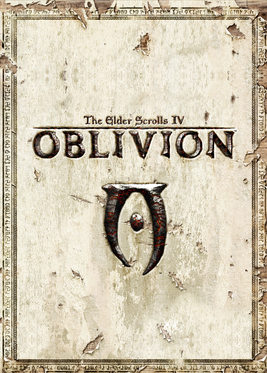
The Elder Scrolls IV: Oblivion
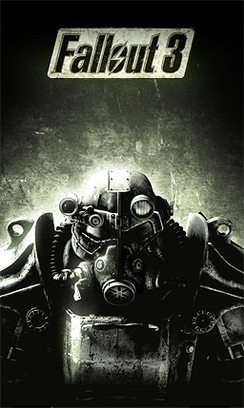
Fallout 3
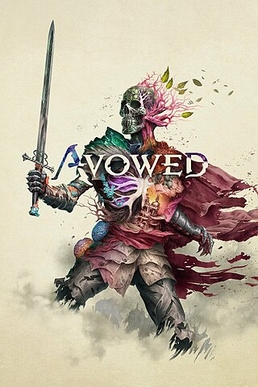
Avowed
Ad slot ready. Add `NEXT_PUBLIC_ADSENSE_CLIENT` and `NEXT_PUBLIC_ADSENSE_SLOT_REVIEW_FOOTER` to enable.