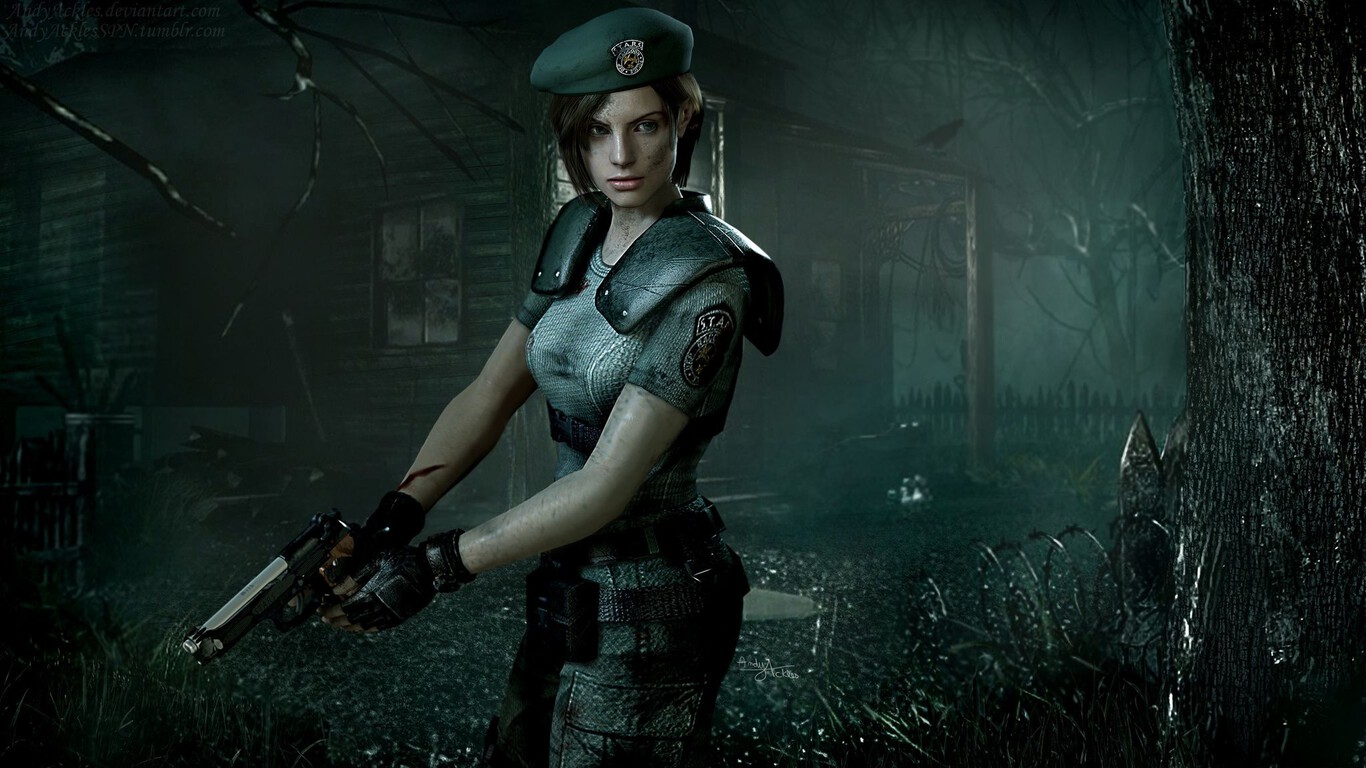
Resident Evil is a title burdened by a massive weight of its own legacy, often cited as the very foundation of the survival horror genre. Despite having played through most of the series over the years, I finally sat down to experience the mansion incident for the first time in 2026. Experiencing it so many years after its release created a strange disconnect for me, especially after seeing how the franchise has reinvented itself multiple times. I don’t walk away from it with any sort of disdain, but I certainly don’t hold it in the same high regard as I do the more modern entries. It's a game I respect for its contribution and impact, even if I found the actual process of playing it to be a constant test of my patience.
The atmosphere in the Spencer Mansion remains a consistent high point, driven by creative camera angles that constantly maintain an elevated sense of horror and dread. From visual touches like lightning flashing through windows, to the immersive sound design such as claps of thunder and distant groans, Resident Evil successfully builds a creepy tension that only feels truly smothered the music of the safe rooms dotted throughout the game.
However, the game’s structural design often feels like it is actively working against the player. I found that the mansion functions less like a logical space and more like a disorganized obstacle course designed to waste time, making it difficult, in spite of everything, to maintain any sense of immersion in the setting. This feeling is compounded by a microscopic inventory limit and a annoying reliance on multi-step puzzles that require multiple items at once, excacerbated by constant backtracking, making the experience feel padded and tedious from beginning to end.
The save system is another significant point of friction that feels increasingly dated by relying on finite ink ribbons, especially since they occupy precious inventory space, forcing the player to decide whether to keep ribbons on hand or sacrifice the ability to save in order to make room for more puzzle items or weapons, knowing that those ribbons might prevent you from having enough space to pick up another puzzle item, forcing you to make the annoying trek back to the nearest storage chest so you can make the necessary room. Beyond the mechanics, the actual technical process of saving is grueling and slow, requiring players to click through dialogue and wait through several slow menus. The absence of modern features like autosaves turns the gameplay into a chore, where finishing a section feels less like a victory and more like a relief that the work is over.
Enemy design offers some variety, though they often lack cohesion. While the giant snake is a neat surprise, other creatures such as the sharks simply feel over-the-top. There is also a frustrating mechanic that turns defeated zombies into Crimson Heads unless you burn their bodies beforehand, which again requires multiple items in your inventory. These Crimson Heads run fast and hit hard, a punishment that I found to be overkill. When compared to the Blister Heads in Resident Evil: Requiem, which are essentially the same concept, the Crimson Heads in this game feel like an unbalanced burden that contributes to the overall sense of exhaustion.
Characterization and performance are major weak points that deflate the story's gravity. The voice acting is flat and lacks direction, and it's clear that the actors are simply reading their lines instead of truly delivering them. This is especially true for Jill Valentine, who feels unconvincing as an elite STARS operative. Worse-yet, her weird reliance on Barry and her tendency to bumble through encounters makes her seem incompetent compared to her portrayal in the Resident Evil 3 Remake, who I adore. The game’s insistence on having Barry stride in to save the day makes it feel as though Jill hasn't earned the status the narrative claims she has.
Ultimately, while the game’s creative vision and atmospheric tension are undeniable, the moment-to-moment experience is weighed down by dated design and repetition. The pace improves slightly in the later stages, but the fundamental issues with balance and time-wasting remain present throughout. For someone coming from more modern entries, the age of this title is felt in every second of gameplay, serving as a reminder that some classics are more enjoyable to remember than they are to play.
Similar Games
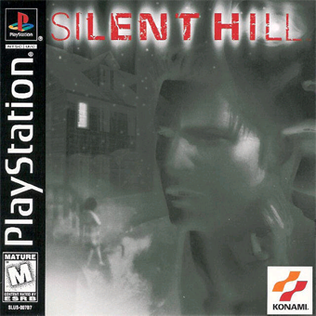
Silent Hill
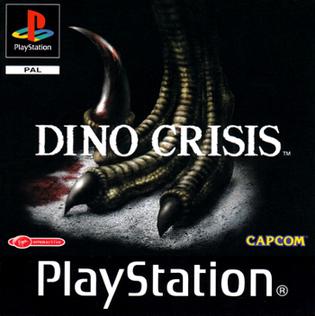
Dino Crisis
Ad slot ready. Add `NEXT_PUBLIC_ADSENSE_CLIENT` and `NEXT_PUBLIC_ADSENSE_SLOT_REVIEW_FOOTER` to enable.