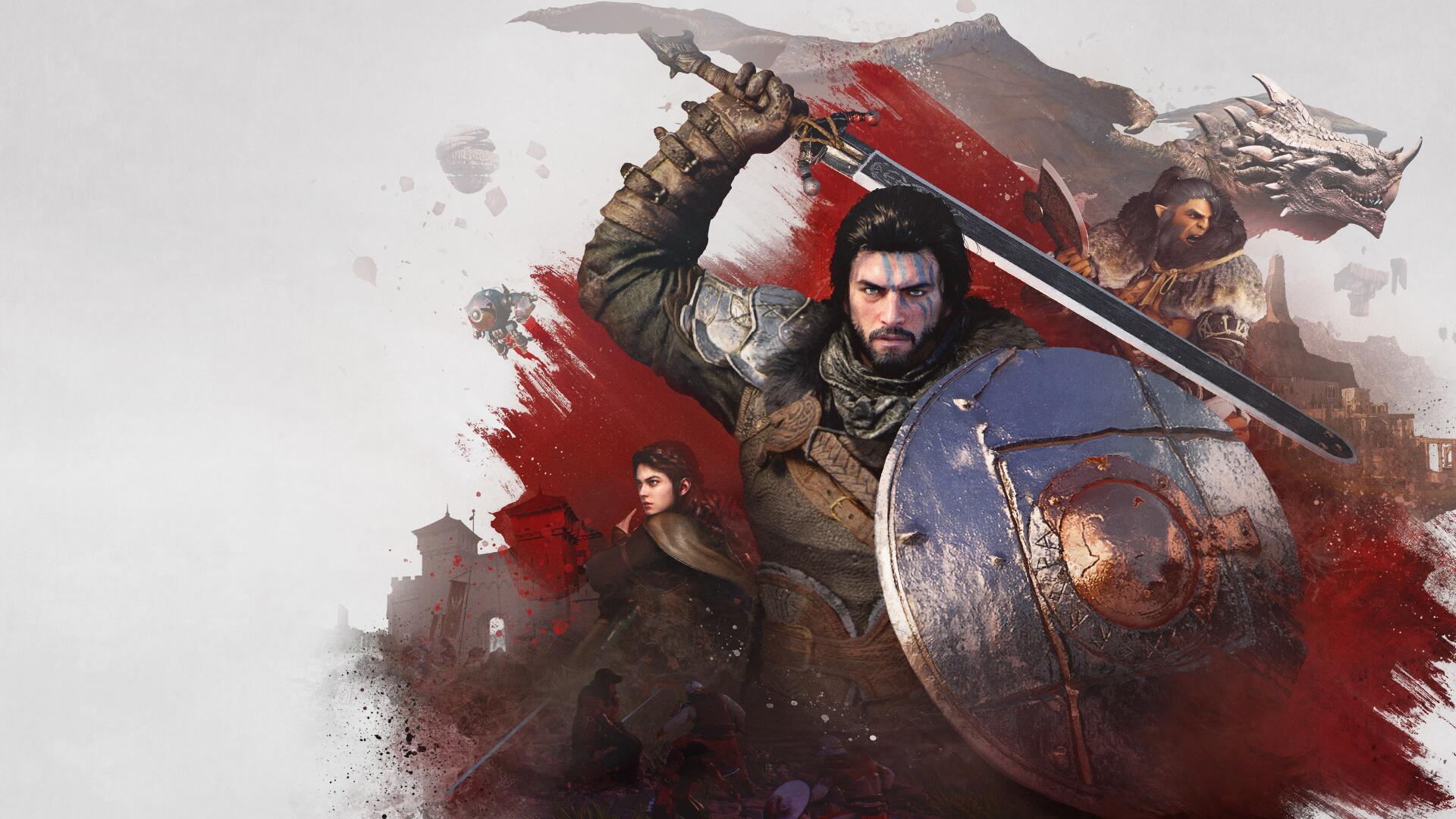
The standout feature of Crimson Desert is its massive, deeply immersive world and the incredible sense of scale it delivers. Exploring the environment feels rewarding because of the sheer level of granularity and interactivity available; you can navigate tight city alleyways, open random windows to climb inside buildings, scale walls, run across rooftops, and that's not to mention the menial activities like fishing, cooking, or turning wheat into flour using wind-powered millstones. This high level of immersion and freedom is complemented by a very satisfying movement system. While certainly not unique to this game, unlike those with binary movement states (where you either move slow or fast with no in-between), this title offers true analog control where nudging the stick results in a realistic, slow walk that transitions smoothly into a full-tilt fast walk, making tight spaces highly manageable, reminiscent of the weighted character control seen in Red Dead Redemption 2.
To enhance this tactile immersion, the L1 focus mechanic acts as an intriguing bridge between the player and the world, similar to the purpose of traditional HUD elements. While it feels a bit clunky at first, you quickly get used to the intricate control it affords, minimizing the layer of separation between the you and the game to make you feel more directly connected to the character's physical presence in the environment. This emphasis on physical realism is perfectly matched by the game's technical execution, allowing these intricate interactions to unfold across an uncompromised horizon.
From a technical perspective, the game serves as a phenomenal showcase for current-generation visuals, fulfilling Epic Games' early promises of Unreal Engine 5 despite running on the developer's own proprietary engine. Pearl Abyss was able to tailor their custom Blackspace Engine exactly to the game's needs, and on the PS5 Pro, the game is a graphical feast with little-to-no compromises, offering an incredibly gorgeous sandbox to look at, particularly when it comes to open-world lighting and global illumination. That said, while the game's technical achievements are apparent, I was unable to escape this feeling that the game feels more like a collection of impressive tech ideas rather than a game with a singular vision. As a finished product, Crimson Desert is neither greater nor lesser than the sum of its parts, but instead is an assembly of disparate concepts that actively compete against one another for the game's actual identity.
One such example is the jarring inclusion of some kind of meta, simulation narrative. The game contextualizes its mystical and magical elements through an underlying sci-fi or virtual simulation frame, and I found that this completely breaks the otherwise stellar medieval immersion. Every time you fast travel, interact with the ancient tech scattered around the world, and even just parts of the main story, this simulation concept pulls you right out of an experience that already struggles to maintain a singular, coherent design vision. This narrative identity crisis directly mirrors the deeper flaws found in the game's scripting and cast distribution.
While the world is genuinely impressive, the narrative and character design also hold the experience back, primarily due to the contrast between the main protagonist and the supporting cast. Damiane is immediately compelling, sporting a fantastic visual design and far more instant personality than Kliff before she is even fully introduced. Unfortunately, the developers constantly restrict her viability and lock you out of progression by forcing Kliff's story on the player. Kliff himself is a massive detriment to the narrative for me; a completely boring blank slate who is unappealing to look at and tedious to listen to. If the game is going to insist on a specific character's journey, that protagonist needs to be fleshed out; otherwise, the developers should have simply allowed full character creation. This sense of shallow restriction carries over directly into the gameplay loop, where aesthetic flash quickly gives way to repetitive monotony.
The moment-to-moment combat further exposes the lack of depth beneath the game's flashy exterior. While there are various moves available, executing them feels weirdly annoying and unintuitive, and the entire system remains mechanically simplistic besides. Instead of offering genuine tactical depth, the game manufactures difficulty simply by throwing massive waves of enemies at you, resulting in tedious five-minute slogs where you kill thirty identical foes the exact same way over and over. This repetition is exacerbated by a frustrating dynamic camera that constantly zooms out when you run, robbing you of full control over your perspective and preventing you from getting close enough to properly read enemy animations or feel present in the fight. While fighting repetitive waves of enemies is a chore, the momentum grinds to a complete halt during specific, poorly thought-out quest sequences.
The final blow to my attempt at a playthrough comes from a particularly poor designed progression-blocking sequence in a specific woods area. Upon entering this location for a quest, a cutscene triggers where a group of kids knocks you out and drags your character deeper into the forest. Attempting to wander out in any direction simply triggers the exact same knockout loop repeatedly with minimal guidance on how to escape. While you can fast travel away, returning to or passing through this visually undefined zone (such as carrying your bounty on horseback) traps you again, creating an incredibly frustrating experience that fully killed my desire to keep playing.
Despite these glaring structural flaws, there is a glimmer of hope for the game's future. The developers have committed to supporting the title with updates for as long as there is player interest, and a massive story overhaul patch is reportedly in the works. While these updates might iron out the technical frustrations and quest bugs, they are unlikely to fix the underlying issue that the game feels more like a collection of impressive ideas than a cohesive vision. Crimson Desert shows immense potential, but a proper sequel might be required to truly solidify its identity and fix its foundational design problems.
Similar Games
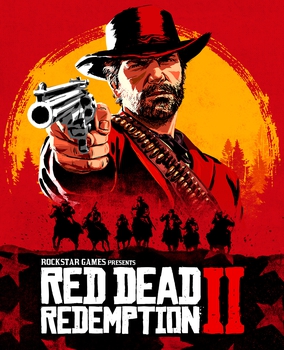
Red Dead Redemption 2
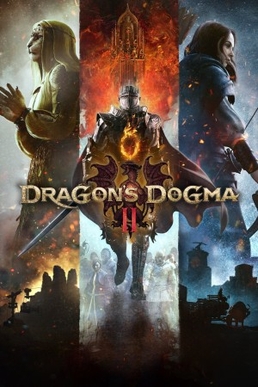
Dragon's Dogma 2
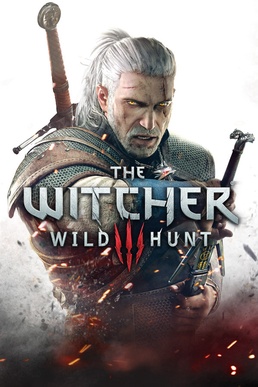
The Witcher 3: Wild Hunt
Ad slot ready. Add `NEXT_PUBLIC_ADSENSE_CLIENT` and `NEXT_PUBLIC_ADSENSE_SLOT_REVIEW_FOOTER` to enable.